
Prepare Your Service Records for a Car Valuation
Build a clear service timeline, organise invoices, disclose gaps and take useful photographs while keeping private information out of your valuation pack.
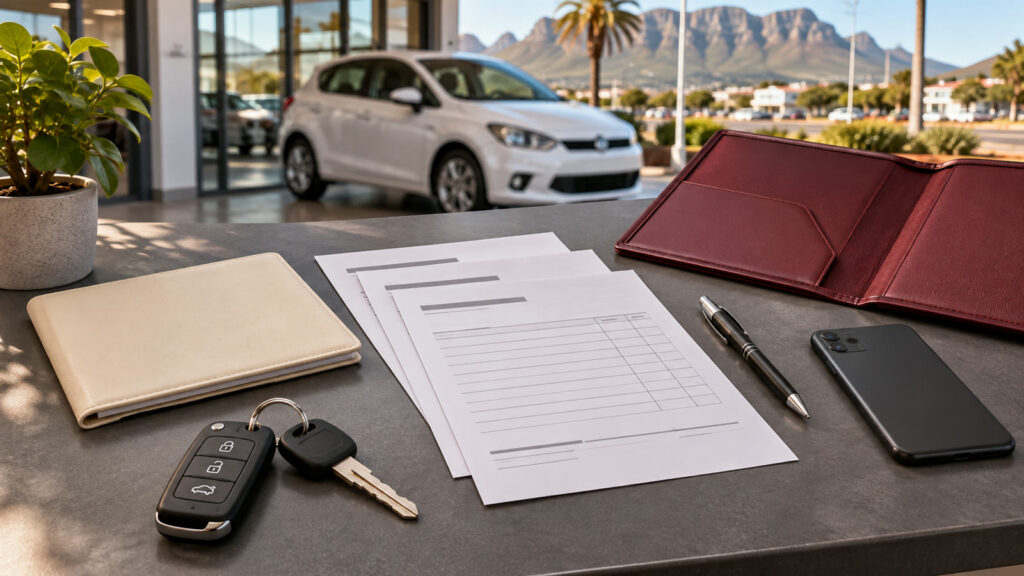
What matters most
- Prepare a clear summary of the vehicle, its service timeline and the evidence available.
- Separate verified maintenance from missing records, known faults and work still due.
- Share only what is needed at each stage. Keep identity, bank and previous-owner information out of public photos.
- A useful document pack makes an assessment easier; it does not guarantee an offer or a price increase.
Preparing your service records for a valuation is mainly an organising job. A buyer or dealership needs to understand which car is being assessed, what maintenance can be verified and which questions remain open. A small, orderly pack is more useful than a long message containing mixed photographs and unexplained invoices.
Use this guide before requesting an Elso Cars valuation or comparing a trade-in with a private sale. Keep the original records safe and prepare copies suitable for the person reviewing them.
In this guide
1. Start with the facts about your car
Make a one-page summary of the year, make, model, derivative, engine, transmission and current odometer reading. Include the date of that reading and your general location. Check the derivative against the vehicle’s records rather than guessing from a badge or a similar online advertisement.
Note the keys, handbook, tools and accessories that are included. List material modifications and any known repairs or faults. If the vehicle is financed, say so at the start and ask what the dealership needs for its process. Obtain a current settlement quote from your lender when required; a monthly instalment or an old account balance is not a substitute.
Keep the first enquiry focused. Vehicle details, mileage, condition, service-history availability and useful car photos are a sensible starting point. Ask which supporting documents are required before sending identity or financial records.
2. Put the service evidence in chronological order
Collect the service booklet, digital service record and available invoices. Read them together. For each entry, record its date, kilometres, workshop and a short description of the work supported by the paperwork. Mark anything still awaiting confirmation.
| Part of your pack | What to include | What to check |
|---|---|---|
| Service timeline | Date, mileage, workshop and evidence reference for each visit. | Compare time and distance with the exact vehicle’s schedule. |
| Supporting invoices | Copies showing the vehicle details and maintenance performed. | Match each invoice to its timeline entry. |
| Major maintenance | Evidence of relevant scheduled work or significant repairs. | Distinguish an estimate from completed, invoiced work. |
| Current position | Last service, any service indication and known work due. | Confirm uncertainty with a qualified workshop. |
| Plan or cover information | Available service-plan or warranty documents, if relevant. | Ask the provider to confirm remaining cover and any transfer conditions. |
Give the files simple names such as “2025-06-12_service_68000km.pdf”. Numbering the entries makes it easier to match a service stamp to an invoice. Keep an unaltered private copy of each original; create a separate redacted copy for sharing.
Our service-history timeline guide explains why both dates and kilometres matter. Do not describe the history as complete solely because the car has low mileage or the booklet contains several stamps.
Watch: what the service history can reveal
Elso’s service-history video shows why the team starts with maintenance records. For a seller, it is a useful guide to the questions your pack should answer.
The manufacturer’s schedule for your exact vehicle remains the reference. Any informal late-service allowance mentioned in the video is not a manufacturer-approved grace period.
3. Explain missing records and known issues plainly
If an invoice is missing, ask the original workshop for a duplicate using independently verified contact details. The workshop may need the owner’s consent or other verification before releasing information. If a service cannot be verified, mark it as unverified rather than filling the gap with an assumption.
A simple example is: “The booklet records a service at 68,000 km in June 2025; the invoice has been requested.” That is clearer than saying either “full history” or “no history” while the evidence is incomplete.
Keep known faults in a separate list. Describe symptoms and the circumstances in which they occur: an air-conditioner that does not cool, a warning lamp that stays on or a vibration at a particular normal driving speed. Avoid diagnosing the cause unless you have a written workshop finding.
- Identify repairs already completed and attach the relevant invoices.
- Label quotations as proposed work, with no suggestion that the repair has been done.
- Disclose known accident or body repairs accurately, with the evidence available.
- Ask the assessor whether inspection is needed before spending on non-urgent cosmetic work.
- Have safety concerns assessed before driving the car to an appointment.
4. Take photographs that help the assessor
Photograph a clean, dry car in daylight with enough space to see its shape. Include front and rear three-quarter views, both sides, the cabin, seats, dashboard, wheels and any visible damage. Take a clear odometer photo while safely parked. Show a dent or scuff in context as well as close up; filters and selective angles make assessment harder.
For service pages, place the booklet flat in good light and make the date and mileage readable. Share only the relevant pages, through the contact route you have verified with the recipient. Do not photograph documents on top of unrelated customer or household paperwork.
| Sharing stage | Practical approach |
|---|---|
| Public advert or social post | Leave out identity documents, home addresses, signatures, bank details, full VINs and service pages containing personal information. |
| Initial direct valuation enquiry | Send the requested car information and photos. Ask before supplying sensitive supporting documents. |
| Verified transaction or assessment process | Supply necessary identity, registration or finance documents only to the verified recipient through the agreed channel. |
For a redacted copy, permanently remove the private information and check the exported result. A movable black rectangle in an editable file can leave the original text accessible. Keep vehicle and maintenance details needed for verification readable, and agree any VIN-sharing requirement directly with the assessor.
5. Be ready for the actual assessment
Keep the originals, spare keys and relevant accessories available for the appointment. Tell the assessor about changes since you sent the photos, including additional mileage or a new fault. An initial estimate based on information and photos may need an in-person assessment; ask what the offer includes and what conditions apply.
The records are one part of the picture. Condition, specification, mileage and the buyer’s assessment also matter. There is no fixed price premium for a tidy document folder, and money spent preparing the car is not automatically recovered in the offer.
When comparing routes, use the money you keep after relevant costs and any lender settlement. Our trade-in versus private-sale guide provides a worked comparison. When you are ready, request a valuation from Elso Cars and confirm which documents the team needs for your vehicle.
Frequently asked questions
Do I need every service invoice to request a valuation?
Start with the evidence you have and say what is missing. Ask the assessor which documents are needed for the next stage. More records can help verification, but do not invent entries to make the pack look complete.
Should I send my ID and bank details with the first car photos?
Ask what is needed first. Keep sensitive records out of public adverts and share them only when necessary with a verified recipient through the agreed process.
Will a full service history guarantee a better offer?
No particular offer or uplift is guaranteed. Clear evidence helps the assessor understand maintenance, but the valuation depends on the vehicle and the assessment.
Should I repair everything before the valuation?
Disclose known issues and ask which work matters before authorising non-urgent spending. Address safety concerns with a qualified workshop; do not assume every cosmetic expense will be recovered.
Reviewed 2 November 2026 against Elso Cars’ service-history video, the dealership’s valuation route and the linked service-history and selling guides. This is a practical preparation checklist; the receiving dealership, lender and cover provider must confirm their own document and transaction requirements.